

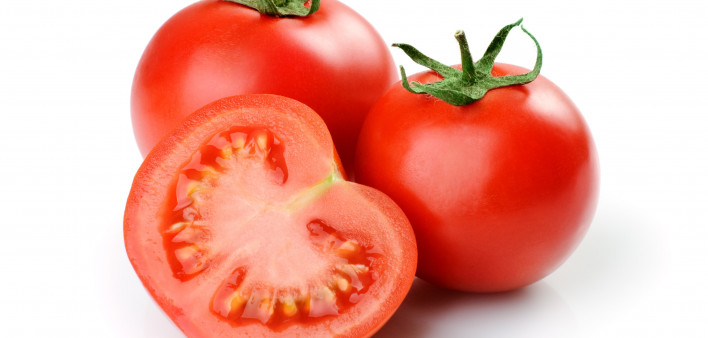
Daily consumption of raw tomatoes and tomato sauce for six weeks reduced hepatic steatosis, or the abnormal buildup of fat inside liver cells, among people with fatty liver disease, according to a randomized controlled trial published in Nutrients.
“These findings support the potential role of tomato-based interventions as part of nutritional management for metabolic dysfunction-associated steatotis liver disease (MASLD),” wrote the study’s authors.
MASLD and its more severe form, metabolic dysfunction-associated steatohepatitis (MASH), are responsible for a growing proportion of advanced liver disease worldwide. Estimates suggest that around a third of people in the United States have MASLD, and about 5% have MASH. Over time, the buildup of fat in the liver can lead to serious complications, including cirrhosis and liver cancer. Fatty liver disease often occurs in people with obesity, type 2 diabetes and other metabolic conditions. With only two approved medications (Rezdiffra and Wegovy), management still largely depends on lifestyle changes such as weight loss and exercise.
To learn more about fatty liver disease, check out Hep’s basics on MASLD and MASH.
The Mediterranean diet, which prioritizes fresh vegetables, fruits, whole grains, fatty fish, nuts and olive oil while cutting added sugars, refined carbs and processed fats, is a top clinical recommendation for managing and reversing fatty liver disease. The Mediterranean diet can help individuals lose weight, and losing 5% to 10% of one’s body weight can significantly improve MASLD, according to the Mayo Clinic. A study published in 2021 found that the Mediterranean diet along with regular consumption of green tea reduced liver fat in adults with obesity and MASLD by 39%.
“While nutritional recommendations largely focus on dietary patterns and weight reduction, controlled data examining the contribution of individual foods remain scarce,” wrote the study’s authors. “In this context, tomatoes represent a biologically plausible intervention because they are a key component of the Mediterranean diet and provide lycopene, beta-carotene, polyphenols and other antioxidant and anti-inflammatory compounds.”
For the trial, 79 adults with MASLD were assigned to either consume 200 grams of raw tomatoes and 50 grams of tomato sauce per day for six weeks or to a tomato-free diet. The researchers assessed fat in liver cells using FibroScan controlled attenuation parameter (CAP). Body weight, height, body composition, liver stiffness and other metabolic and biochemical markers were also measured.
CAP values decreased in both groups, but the reduction was greater among those on the tomato diet. The tomato group had a median decline in CAP values of 35 decibels/meter, while the tomato-free group declined by a median 18 dB/m.
The difference was significant after adjusting for age, sex and body mass index, and no differences in glucose metabolism, lipid profile, inflammatory markers, liver enzymes or hematological parameters between the groups were noted.
“These findings support the potential role of tomato-based interventions as part of nutritional management for MASLD and warrant confirmation in larger, adequately powered randomized controlled trials with longer follow-up and mechanistic investigations,” concluded the study’s authors.



Comments
Comments