

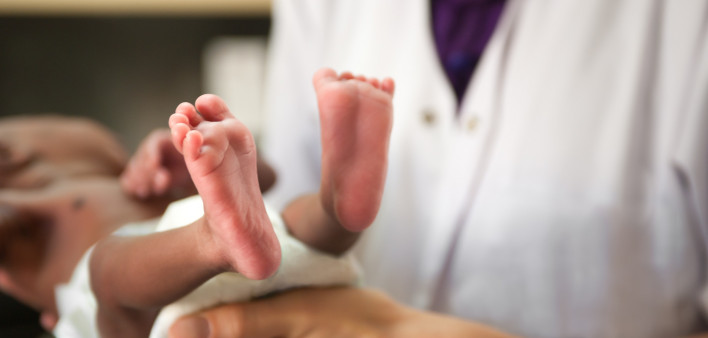
Newborn hepatitis B virus (HBV) vaccine rates rose from 67.5% in January 2017 to a high of 83.5% in February 2023 before dropping to 73.2% in August 2025, according to a 2026 study from the Journal of American Medicine Association. The findings were published as childhood vaccination is widely debated and newborn hep B vaccine recommendations recently changed.
“While no single explanation can be identified, the decline coincides with a period of heightened public discourse in the U.S. regarding childhood vaccination following the COVID-19 pandemic, including high-visibility media coverage and policy discussions that may have influenced perceptions of vaccine safety, clinician recommendations and parent decisions,” wrote the study’s authors.
Hep B is a highly contagious virus that spreads through bodily fluids, including blood or semen. Thus, pregnant women who have HBV can pass it on to their infants during childbirth. Vaccines are the best way to prevent the spread of infection. Untreated HBV, or chronic hep B, can cause serious liver complications, including cirrhosis and liver cancer.
To learn more about HBV, read Hep’s Hepatitis B Basics.
The study included electronic health records from nearly 12.5 million infants born between January 2017 and August 2025. The data used in the study do not represent a complete national census, and the trends could partly reflect shifts in data coverage rather than changes in the population. Still, the study serves as a valuable tool for understanding a changing culture around vaccines.
“A lot of families are talking about vaccines right now, and so we really wanted to understand...when did that shift in the newborn hepatitis B vaccine rates start?” lead study author Joshua M. Rothman, MD, told MedPage Today. "And then, what could have influenced that shift? We really wanted to know how much those rates were declining.”
Amid declining rates of hep B vaccination, the Centers for Disease Control and Prevention (CDC) recommended a change in the schedule for the hep B vaccine in December 2025. Instead of vaccinating all children at birth, the children of mothers who test negative for HBV would receive their first vaccine dose at 2 months of age, despite a lack of evidence supporting a delayed administration.
To learn more about changing hep B vaccine recommendations, read “Many Adults Underestimate Hepatitis B Virus and Vaccination Benefits” and “American Academy of Pediatrics Finds No Reason to Delay Hepatitis B Vaccination”




Comments
Comments