

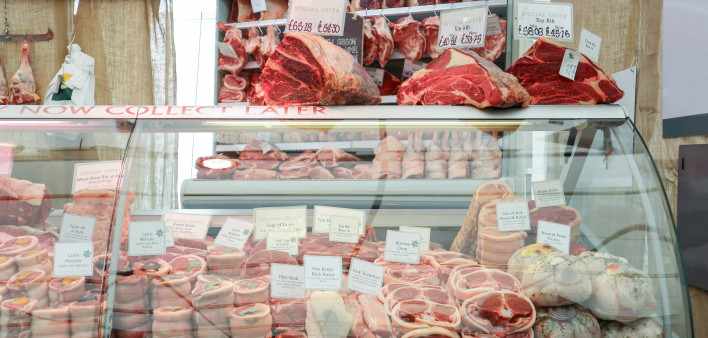
Using data from the United States and the United Kingdom, scientists found that people with a higher intake of the amino acid lysine—particularly from eating red meat—faced a significantly greater chance of developing metabolic dysfunction-associated fatty liver disease (MASLD), according to a report in the Journal of Advanced Research.
MASLD and its more severe form, metabolic dysfunction-associated steatohepatitis (MASH), are responsible for a growing proportion of advanced liver disease worldwide. Over time, the buildup of fat in the liver can lead to fibrosis, cirrhosis and liver cancer. With only one approved medication, management of fatty liver disease and its complications largely depends on lifestyle changes such as weight loss and exercise.
Yu Shi, PhD, of the Zhejiang University in China, and colleagues aimed to better understand the potential link between the amino acid intake and the risk of MASLD. The researchers accessed information on adults ages 20 or older from the U.S. NHANES (2017–2020) and the U.K. Biobank (2006–2010) databases.
The study looked at data from 5,568 people in the U.S. NHANES database and 48,261 people in the U.K. Biobank. The prevalence of MASLD was 34% in the U.S. group and 28% in the U.K. group. Across both databases, people with MASLD were older, more likely to be male, had a lower education level and had a higher body mass index compared to those without fatty liver disease. Those in the former group also were more likely to have diabetes, high blood pressure, and heart and kidney disease, and they ate more food, including more protein.
When the researchers analyzed the combined effect of 18 different amino acids (protein building blocks), they found that higher consumption was associated with a greater likelihood of developing MASLD in both the U.S. and U.K. cohorts. In particular, increased lysine intake was linked to a higher risk of both MASLD overall and severe MASLD, but not of cirrhosis or liver cancer, in both groups. On the other hand, substituting lysine with other amino acids was associated with a reduced risk of MASLD.
Further, the team noted that that people’s diets fell into three common amino acid patterns: the Lys-Met pattern (rich in lysine and methionine from red meat and eggs), the Glu-Pro pattern (high in glutamic acid and proline from cereals and bread) and the Gly-Arg pattern (centered on glycine and arginine from other food types). People with the Lys-Met pattern were more likely to develop MASLD overall and severe MASLD, while those eating more Glu-Pro foods had the lowest risk. Digging deeper, the researchers found that lysine from red meat and animal protein—but not from plants—drove the higher MASLD risk, suggesting that the type of food delivering the amino acids matters.
“Lysine plays a major role in the association between amino acid intake and risk of MASLD,” wrote the researchers. “Dietary patterns rich in lysine, such as red meat, could be key targets for MASLD prevention strategies.”
Click here for more news about fatty liver disease.



Comments
Comments