

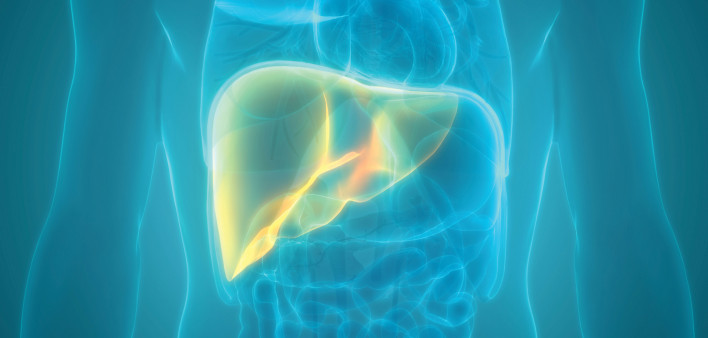
Without better detection and effective treatment, the clinical burden of metabolic dysfunction-associated fatty liver disease (MASLD) is expected to rise dramatically over the next 30 years, with cases of decompensated cirrhosis more than tripling, liver cancer nearly doubling and liver transplants increasing almost fourfold. Researchers generated these projections, which were published in JAMA Network Open, using a simulation model.
MASLD and its more severe form, metabolic dysfunction-associated steatohepatitis (MASH), are responsible for a growing proportion of advanced liver disease worldwide. Over time, the buildup of fat in the liver can lead to fibrosis, cirrhosis, hepatocellular carcinoma (the most common type of liver cancer). While the first medication for MASH—Rezdiffra (resmetirom)— was approved last year, management is largely dependent on lifestyle changes such as weight loss and exercise.
As a leading cause of liver disease, the burden of MASLD over the next several decades needs to be accurately predicted to aid improvements in prevention, diagnosis and treatment. Phuc Le, PhD, MPH, of the Cleveland Clinic, and colleagues assessed the future burden of MASLD in the United States over the coming 30 years. The research team modeled the progression of MASLD in adults, using established published data.
The simulation included 2,821,624 people. About half were women, and the average age was 36 years. According to the model, MASLD prevalence would rise steadily from 34% (86.3 million people) in 2020 to 41% (121.9 million people) by 2050. The number of MASH cases in the U.S. is projected to surge from 6% of adults (14.9 million) in 2020 to 8% of people (23.2 million) by 2050.
Similarly, cases of MASH with clinically significant fibrosis (Stage F2 or higher) are expected to climb from 6.7 million to 11.7 million. Between 2046 and 2050, MASLD is projected to drive 22,440 new cases of liver cancer and 6,720 liver transplants annually, compared to 11,483 liver cancer cases and 1,717 transplants per year between 2020 and 2025.
Liver-related deaths are also expected to rise dramatically, from 30,500 deaths in 2020 (1.0% of all adult deaths) in 2020 to 95,300 deaths (2.4%) in 2050, underscoring the growing burden of fatty liver disease in the coming decades.
“In this decision analytical modeling study, the model forecast a substantial increase in clinical burden of MASLD over the next three decades in the absence of effective treatments,” wrote the researchers. “These results suggest that health systems should plan for large increases in the number of hepatocellular carcinoma cases and in the need for liver transplant.”
Click here for more news about fatty liver disease.



Comments
Comments