

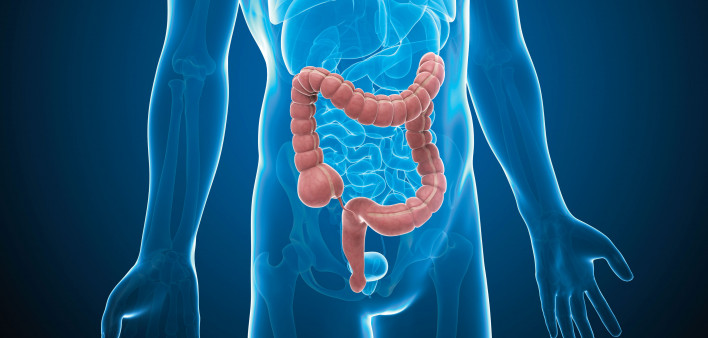
A study published in Nature found that people with fatty liver disease are more likely to have their colorectal cancer spread to their liver, explaining why some patients face poorer outcomes. The findings explain how metabolic conditions like fatty liver disease create the right environment for tumors, increasing the risk of cancer spreading or metastasizing.
“This work shows that a condition we typically consider a background metabolic issue can directly shape how cancer behaves,” said senior study author Sarah-Maria Fendt, PhD, in an American Society of Clinical Oncology (ASCO) news release. “It highlights that the patient’s physiology is not just a bystander, but an active determinant of disease progression.”
Colorectal cancer is the second most common cause of cancer-related deaths among men and women combined and accounts for nearly 1 in 10 cancer diagnoses. This year alone, 55,230 will die of the disease, according to the American Cancer Society (ACS). Today, one in every five colorectal cancer diagnoses occur in people under age 55, and it has become the leading cause of cancer-related death among young people.
To learn more about general colorectal cancer risk factors, symptoms, screening and more, check out Cancer Health’s basics on Colorectal Cancer. Read about colorectal cancer among young people in recent Cancer Health feature: “Colorectal Cancer Is Increasing Among Young People, as James Van Der Beek’s Death Reminds Us.”
Up to 50% of patients with colorectal cancer will develop secondary tumors in the liver, known as liver metastases, affecting their chances of survival. If the secondary tumors infiltrate healthy liver tissue, known as replacement metastases, the five-year survival rate of colorectal cancer falls from 73.4% to below 44.2%, according to the study’s authors.
For the study, researchers analyzed samples from colorectal cancer patients alongside experimental models to determine whether steatotic liver, or fatty liver disease, influenced colorectal cancer tumor growth.
The researchers found that patients with fatty liver were significantly more likely to develop aggressive replacement metastases. A protein called MYC promotes an environment that allows cancer cells to infiltrate and expand within the liver.
“This gives us a powerful new way to stratify patients,” Fendt noted. “By identifying those most likely to benefit, we can make clinical trials more efficient and ultimately bring effective treatments to patients faster.”
Drugs targeting the MYC protein are already being tested for safety in patients, but patients with fatty liver or metabolic conditions may be more likely to benefit from the treatment. This study offers a clear strategy for patient selection, limiting unnecessary treatment and accelerating the development of targeted therapies.
“This work shifts our perspective,” said first study author Yiming Peng-Winkler, PhD, in the ASCO news release. “It shows that, to effectively treat cancer, we need to consider not just the tumor but also the environment it depends on. Only then can we design truly precise and effective therapies.”
Fatty liver disease, or metabolic dysfunction-associated steatotic liver disease (MASLD), and its more severe form, metabolic dysfunction-associated steatotic hepatitis (MASH), are responsible for a growing proportion of advanced liver disease worldwide. Estimates suggest that around a third of people in the United States have MASLD, and about 5% have MASH. Over time, the buildup of fat in the liver can lead to serious complications, including cirrhosis and liver cancer. Fatty liver disease often occurs in people with obesity, type 2 diabetes and other metabolic conditions. With only two approved medications (Rezdiffra and Wegovy), management still largely depends on lifestyle changes such as weight loss and exercise.
To learn more, check out Hep’s basics on fatty liver disease.




Comments
Comments