

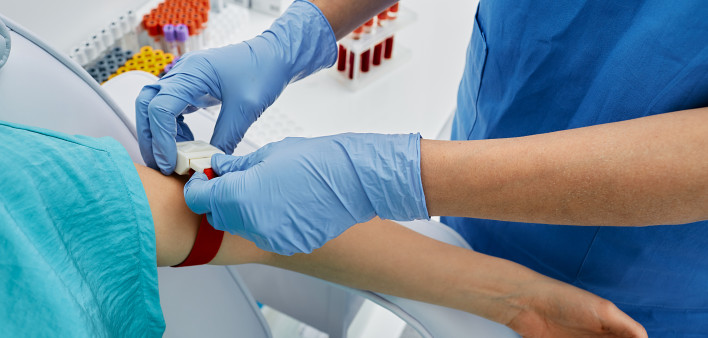
How are Americans living with hepatitis C doing when it comes to getting tested, treated and cured? To find out, researchers with the Centers for Disease Control and Prevention (CDC) and Quest Diagnostics conducted a study combining national laboratory data to document infection and viral clearance with prescribing data to assess initiation of treatment of hepatitis C virus (HCV) in the United States. The findings, which were published in JAMA Network Open, highlighted major gaps in follow-up care, treatment and clearance of the virus. When patients were diagnosed, less than half were advised to undergo follow-up testing and more than three in four patients had no evidence of starting treatment.
“This uniquely large analysis of both laboratory and prescribing data reveals troubling gaps in both testing and treatment for hepatitis C in the United States, despite widespread availability of both testing and curative treatment,” said Quest Diagnostics consultant and study co-author, William Meyer, PhD.
The CDC estimates there were 69,000 acute HCV infections and 101,525 newly reported chronic HCV cases in 2023. If left untreated, hepatitis C can lead to serious liver complications, including cirrhosis and liver cancer. There is no vaccine for HCV, but direct-acting antiviral (DAA) therapy cures chronic hepatitis C in more than 95% of people who complete treatment, which typically takes two or three months.
People who achieve a sustained virological response after finishing DAA treatment are considered cured, and people with a sustained undetectable viral load cannot transmit HCV to others.
To learn more about HCV, check out Hep’s Hepatitis C Basics.
Researchers from Quest Diagnostics, CDC, HealthVerity and Harvard Medical School used pharmacy, laboratory and insurance data to follow patients treatment outcomes following diagnoses with HCV. The study included people with a positive or detectable HCV test between January 30, 2019, and June 30, 2021.
Over 4.5 million adults tested for HCV during the study, and 51,068 were positive for HCV. Of people with an active HCV infection, 39.9% were cured through viral clearance, 35.7% initiated treatment, and 26.1% had viral clearance after treatment initiation.
Among people with HCV, 38.3% did not undergo further bloods testing for viral clearance, and 78.4% had no evidence of treatment initiation. The study found that 18,246 people initiated HCV treatment with DAA, and, of those treated, 73.2% were cleared with a blood test.
“Although viral clearance requires only laboratory data, actual clearance can be underestimated owing to lack of follow-up HCV testing or overestimated due to inclusion of self-limited infection,” wrote the study’s authors.
Data showed that 23.2% of people who initiated treatment did not undergo subsequent HCV testing, and yet, 91.0% of that group were prescribed DAA and were likely cured. Similarly, 21.3% of people who did not initiate treatment had evidence of a cure through blood work, suggesting their treatment was not captured by HealthVerity data.
“Measuring care outcomes is essential to monitoring progress toward hepatitis C elimination,” wrote the study’s authors. “Our findings suggest that improving follow-up RNA testing and integrating laboratory and pharmacy data will enhance accuracy and bridge gaps in hepatitis C testing and treatment.”




Comments
Comments