

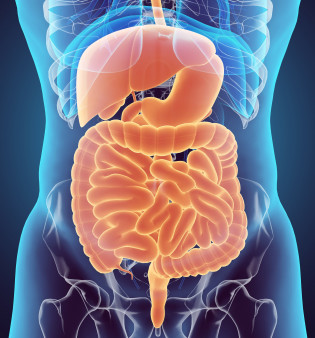
On April 8, the Food and Drug Administration (FDA) approved a combination of Opdivo (nivolumab) plus Yervoy (ipilimumab), two immune checkpoint inhibitors, for certain patients with advanced colorectal cancer. Three days later, the agency approved the same regimen for first-line treatment of adults with advanced hepatocellular carcinoma, the most common type of primary liver cancer.
Colorectal Cancer
The first approval is for adults and children ages 12 and older with inoperable or metastatic microsatellite instability-high (MSI-H) or mismatch repair deficient (dMMR) colorectal cancer. Around 10% of colorectal tumors are MSI-H/dMMR.
Opdivo alone or in combination with Yervoy was previously granted accelerated approval for people with MSI-H/dMMR colorectal cancer that progressed following chemotherapy. The new decision converts this second-line indication to full approval for Opdivo monotherapy and expands the indication for Opdivo plus Yervoy into the first-line setting, according to Bristol Myers Squibb.
This approval is supported by data from the Phase III CHECKMATE-8HW trial (NCT04008030), in which patients who had not yet received immunotherapy were randomly assigned to one of the following regimens:
- Opdivo (240 mg) every three weeks plus Yervoy (1 mg/kg) by IV infusion every three weeks for a maximum of four doses, followed by Opdivo (480 mg) alone every four weeks
- Opdivo (240 mg) alone every two weeks for six doses, followed by Opdivo (480 mg) every four weeks
- Investigator’s choice chemotherapy.
Among 303 patients receiving first-line therapy, the median progression-free survival (PFS) time was not reached in the Opdivo plus Yervoy group because a majority had not yet progressed, compared with just 5.8 months in the chemotherapy group—a 79% reduction in the risk of disease progression or death. PFS rates were 79% versus 21%, respectively, at one year of follow-up and 72% versus 14% at two years.
Among 707 people receiving all lines of therapy, median PFS was not yet reached in the Opdivo plus Yervoy group, compared with 39.3 months for those randomized to Opdivo alone—a 38% reduction in disease progression or death. PFS rates were 76% versus 63%, respectively, at one year and 68% versus 51% at three years. The overall response rates, indicating tumor shrinkage, were 71% and 58%. Results were presented at this years ASCO Gastrointestinal Cancers Symposium and published in The Lancet.
The most common adverse reactions overall among patients receiving Opdivo plus Yervoy were fatigue, diarrhea, itching, abdominal pain, musculoskeletal pain and nausea. About one in five experienced severe (Grade 3-4) adverse reactions, and 19% discontinued Opdivo and/or Yervoy due to adverse events. Adverse reactions were generally similar for those who received Opdivo alone, though there were fewer immune-mediated adverse events.
“There is an unmet need for additional treatment options such as a dual immunotherapy approach for patients with previously untreated MSI-H/dMMR unresectable or metastatic colorectal cancer, which is an aggressive form of cancer and can be particularly difficult to treat,” study investigator Heinz-Josef Lenz, MD, of the USC Norris Comprehensive Cancer Center said in a Bristol Myers Squibb news release. “The meaningful outcomes in CheckMate-8HW underscore how initiating treatment with the dual immunotherapy combination of nivolumab plus ipilimumab may result in a notable survival benefit. This approval has the potential to redefine traditional approaches of care for patients with this form of CRC.”
Liver Cancer
The liver cancer approval is for adults with unresectable or metastatic hepatocellular carcinoma, without regard to tumor MSI-H or dMMR status. Opdivo plus Yervoy was previously granted accelerated approval in 2020. The new decision converts this existing indication to full approval and expands the indication into the first-line setting.
The approval is based on findings from the CHECKMATE-9DW trial (NCT04039607), which included 668 adults with no prior systemic therapy. They were randomized to receive either Opdivo (1 mg/kg) plus Yervoy (3 mg/kg) by IV infusion every three weeks for a maximum of four doses, followed by Opdivo (480 mg) alone every four weeks until disease progression, unacceptable toxicity or a maximum of two years, or the investigator’s choice of the tyrosine kinase inhibitors Lenvima (Lenvatinib) or Nexavar (sorafenib).
The median overall survival time was 23.7 months in the Opdivo plus Yervoy group versus 20.6 months in the Lenvima or Nexavar group—a small but statistically significant improvement. The advantage looked more decisive at three years, with overall survival rates of 38% versus 24%, respectively. The overall response rates were 36% and 13% (7% versus 2% with a complete response), and the duration of response was longer with Opdivo plus Yervoy (30.4 months versus 12.9 months). These results were also presented at the ASCO Gastrointestinal Cancers Symposium.
The most common adverse reactions overall were rash, itching, fatigue and diarrhea. However, 17% of patients experienced severe liver-related adverse events, including immune-mediated hepatitis, increased liver enzyme levels and liver failure. About a quarter discontinued treatment due to adverse reactions.
“The CheckMate-9DW approval is an important advancement for patients, considering the incidence of liver cancer has tripled in the last four decades, yet prognosis for HCC patients remains poor,” study investigator Aiwu Ruth He, MD, PhD, of Columbia University Medical Center said in another news release. “The availability of a new first-line treatment option that demonstrated a deep response can offer adults with this form of liver cancer long-term overall survival and may help address an unmet need.”
Click here for full prescribing information for Opdivo.
Click here for full prescribing information for Yervoy.
Click here for more news about colorectal cancer.
Click here for more news about liver cancer.



Comments
Comments