

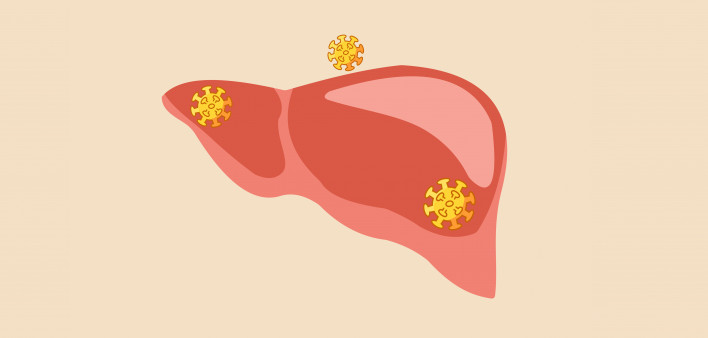
HIV-positive people who have both hepatitis B and D coinfection are nearly 10 times more likely to die of liver-related causes than those with only HIV and hepatitis B virus (HBV), according to study findings published in Clinical Infectious Diseases.
Hepatitis D virus (HDV) is a defective virus that can only replicate in the presence of HBV. Over time, chronic hepatitis B can cause liver fibrosis, cirrhosis, liver cancer and end-stage liver failure. People with both HBV and HDV tend to experience more rapid and severe liver disease progression.
Due to overlapping infection routes, many people have both HIV and hepatitis B. Tenofovir (Viread or Vemlidy) is active against both viruses. Tenofovir-containing antiretroviral therapy has dramatically improved outcomes for people living with HIV/HBV coinfection, but triple infection with HDV can still lead to worse disease.
Chien Ching Hung, MD, PhD, of National Taiwan University Hospital in Taipei, and colleagues explored the incidence and clinical outcomes of HDV infection in people with both HIV and HBV. For their analyses, they included people with HIV/HBV coinfection who received care from 2011 to 2022, with follow-up continuing until the end of 2023.
Of the 534 people with HIV/HBV coinfection, 36 individuals (6.7%) also tested positive for HDV at baseline. Over the course of 3,988 person-years of follow-up, 50 of the 498 people (10%) who initially tested negative eventually acquired HDV. This resulted in an overall HDV incidence rate of 12.54 cases per 1,000 person-years of follow-up.
Of the 50 people who went on to acquire HDV, 44 (88%) were men who have sex with men. However, the researchers noted that the greatest risk for acquiring HDV was injection drug use. “In addition to [people who injection drugs], clinicians should prioritize HDV screening for HBV-infected individuals with high-risk sexual behaviors, with screening frequency adjusted to local HDV prevalence,” they wrote.
Over an average follow-up period of 10 years in the era of tenofovir-containing antiretroviral therapy, 25 study participants (4.7%) died from any cause. People with HIV, HBV and HDV had higher rates of death from liver-related causes (3.5% versus 0.4%), cirrhosis (11% versus 3.6%) and hepatitis flares (28% versus 14%) compared to those with only HIV and HBV. While people with HIV/HBV/HDV triple infection had a nearly tenfold higher risk of liver-related death, the risk of liver cancer was not significantly greater in this group.
While tenofovir has been shown to lower the risk of liver cancer and liver-related or all-cause mortality in people with HIV/HBV coinfection, it is not very effective against HDV. Hepatitis D may be treated with pegylated interferon, but success is limited. The antiviral drug bulevirtide (Hepcludex) is approved in Europe but not in the United States. These therapies are not indicated for people with decompensated cirrhosis, however, so advanced disease in people with all three viruses remains a concern.
“Ongoing monitoring of HDV serostatus in at-risk [people with HIV] is critical for linkage to prevention and care,” wrote the researchers. “Before curative treatment for HDV becomes available, regular evaluation of liver-related complications is essential to improve the outcomes of HDV-infected individuals.”
Click here for more news about hepatitis D.



Comments
Comments